
"Yemeni coffee regions"
800 article(s) found
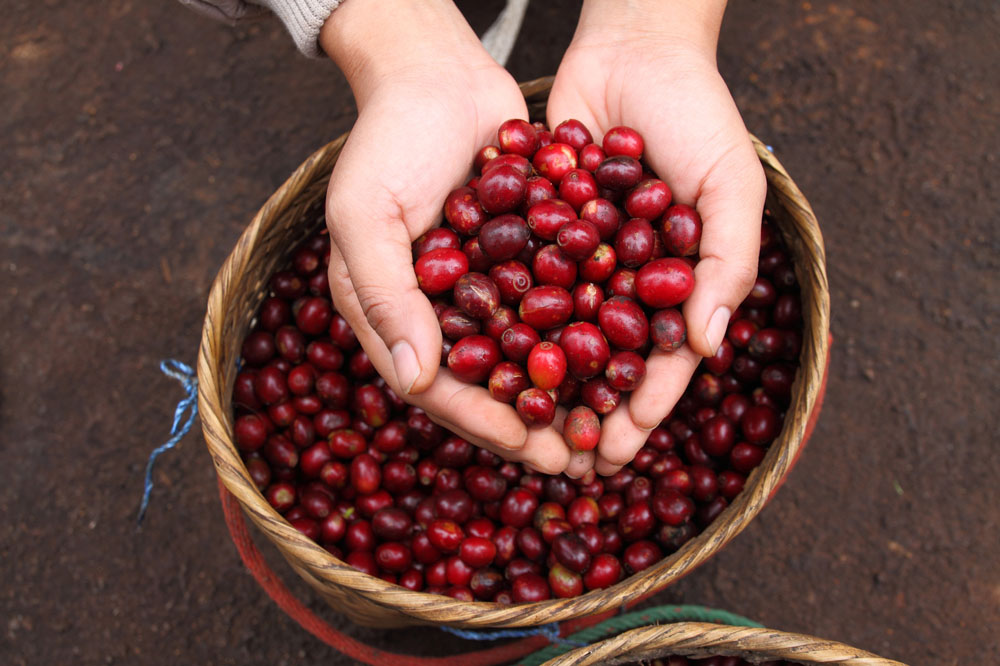
Chocolate color, grain type, complete Yemeni coffee flavor, character, taste and manor
Yemeni coffee is derived from hundreds of years old arabica coffee trees, all grown at altitudes above 3000 feet. For hundreds of years, the cultivation and production methods specific to Yemeni coffee have remained almost unchanged. Coffee seedlings are first cultivated in nurseries and then transplanted to high altitudes. No pesticides or fertilizers are used in the cultivation process. After maturity, coffee beans are naturally dried on coffee trees and shelled by stone mills.

Flavor Unique Grain Type Complete Yemeni Coffee Flavor, Character, Taste and Manor
Yemeni coffee is derived from hundreds of years old arabica coffee trees, all grown at altitudes above 3000 feet. For hundreds of years, the cultivation and production methods specific to Yemeni coffee have remained almost unchanged. Coffee seedlings are first cultivated in nurseries and then transplanted to high altitudes. No pesticides or fertilizers are used in the cultivation process. After maturity, coffee beans are naturally dried on coffee trees and shelled by stone mills.

Introduction of Yemeni mocha Coffee Flavor and Taste the practice of Mocha Coffee Yemen Moha Coffee introduces boutique coffee
There are many varieties of Yemeni coffee, most of which are named after their origin and type, with different flavors, such as fresh wood, tobacco, musk, fruit wine, roasted nuts, cocoa and warm seasonings, especially Moha coffee. At present, Yemeni Moha coffee is the most famous Yemeni Moha coffee on the market, such as Isemary, Matari, Sanani and so on. Sanani coffee has medium grain size and fruit wine style.

Yemeni Coffee | Coffee beans from Yemen what coffee comes from Yemen?
Yemeni coffee beans Yemen is located in the mountains of the central to southern Arabian Peninsula, near the Red Sea. Yemeni coffee production in the region is still growing, but has fallen sharply from its peak. Terraces are carved on the mountains, just like rice paddies and vineyards in other countries, so that they can be easily pruned and harvested, looking like a huge, carefully trimmed manor. Summer

Unique Grain shape complete Yemeni Coffee Variety characteristics introduction to Flavor Coffee beans in Manor
Yemeni coffee originated from Arabian coffee trees hundreds of years ago, all produced in areas above 3000 feet above sea level. For hundreds of years, the unique planting and production methods of Yemeni coffee have remained almost unchanged. The seedlings of Yemeni coffee trees are first cultivated in nurseries and then transplanted to high elevations. Pesticides and fertilizers are not used in the breeding process. Mature coffee beans are naturally dried on coffee trees and shelled by stone grinding.

Yemeni coffee features Yemeni coffee flavor mocha coffee Yemen mocha coffee Yemen mocha coffee beans
Coffee has been a traditional export product of Yemen for hundreds of years, and it is still one of the most important cash crops and export products of Yemen. Statistics show that among the top 30 exports of Yemen in 2000, cooked coffee beans, raw coffee beans and coffee shells ranked second, eighth and 21st respectively, with a total value of about $17.5 million, of which raw coffee was about $12.25 million.

Yemeni coffee features Yemeni coffee flavor mocha coffee Yemen mocha coffee Yemen mocha coffee beans
Coffee has been a traditional export product of Yemen for hundreds of years, and it is still one of the most important cash crops and export products of Yemen. Statistics show that among the top 30 exports of Yemen in 2000, cooked coffee beans, raw coffee beans and coffee shells ranked second, eighth and 21st respectively, with a total value of about $17.5 million, of which raw coffee was about $12.25 million.

Yemeni Coffee with complete Grain shape and unique Flavor introduction to Fine Coffee beans in Manor
Yemeni coffee originated from Arabian coffee trees hundreds of years ago, all produced in areas above 3000 feet above sea level. For hundreds of years, the unique planting and production methods of Yemeni coffee have remained almost unchanged. The seedlings of Yemeni coffee trees are first cultivated in nurseries and then transplanted to high elevations. Pesticides and fertilizers are not used in the breeding process. Mature coffee beans are naturally dried on coffee trees and shelled by stone grinding.

Yemeni Coffee varieties with complete Grain shape and unique Flavor introduction to Fine Coffee beans in Manor
Yemeni coffee originated from Arabian coffee trees hundreds of years ago, all produced in areas above 3000 feet above sea level. For hundreds of years, the unique planting and production methods of Yemeni coffee have remained almost unchanged. The seedlings of Yemeni coffee trees are first cultivated in nurseries and then transplanted to high elevations. Pesticides and fertilizers are not used in the breeding process. Mature coffee beans are naturally dried on coffee trees and shelled by stone grinding.

Introduction to the Flavor of Fine Coffee beans with unique Grain shape and complete Yemeni Coffee varieties
Yemeni coffee originated from Arabian coffee trees hundreds of years ago, all produced in areas above 3000 feet above sea level. For hundreds of years, the unique planting and production methods of Yemeni coffee have remained almost unchanged. The seedlings of Yemeni coffee trees are first cultivated in nurseries and then transplanted to high elevations. Pesticides and fertilizers are not used in the breeding process. Mature coffee beans are naturally dried on coffee trees and shelled by stone grinding.

There is also an introduction to the sweet Yemeni mocha coffee in the southern red seaside coffee producing area.
There are many varieties of Yemeni coffee, most of which are named after their origin and type, with different flavors, such as fresh wood, tobacco, musk, fruit wine, roasted nuts, cocoa and warm seasonings, especially Moha coffee. At present, Yemeni Moha coffee is the most famous Yemeni Moha coffee on the market, such as Isemary, Matari, Sanani and so on. Sanani coffee has medium grain size and fruit wine style.

Yemeni coffee varieties with unique flavor and complete grain shape introduce the flavor of fine coffee beans in Manor.
Yemeni coffee originated from Arabian coffee trees hundreds of years ago, all produced in areas above 3000 feet above sea level. For hundreds of years, the unique planting and production methods of Yemeni coffee have remained almost unchanged. The seedlings of Yemeni coffee trees are first cultivated in nurseries and then transplanted to high elevations. Pesticides and fertilizers are not used in the breeding process. Mature coffee beans are naturally dried on coffee trees and shelled by stone grinding.

Blue bottle coffee rare Yemeni limited coffee bean introduction popular coffee bean flavor description
Professional coffee knowledge exchange more coffee bean information please follow Coffee Workshop (Wechat cafe_style) YEMEN PORT OF MOKHA AL-JABAL LOT 26 Yemeni Coffee Powder 500 years ago, Yemen was the earliest coffee bean producer in the world. In the 200 years since then, all the coffee drunk around the world was made in Yemen. Even from countries such as Indonesia and Brazil

Yemeni coffee bean mocha coffee
Coffee has been a traditional export product of Yemen for hundreds of years, and it is still one of the most important cash crops and export products of Yemen. Statistics show that among the top 30 exports of Yemen in 2000, cooked coffee beans, raw coffee beans and coffee shells ranked second, eighth and 21st respectively, with a total value of about $17.5 million, of which raw coffee was about $12.25 million.

Yemeni Coffee
Coffee has been Yemen's traditional export product for hundreds of years and is still one of Yemen's most important cash crops and export products. Statistics show that among Yemen's top 30 exports in 2000, cooked coffee beans, raw coffee beans and coffee shells ranked second, eighth and 21st respectively, with a total value of about 17.5 million US dollars, of which raw coffee is about 12.25 million US dollars

Unique flavor, complete grain shape, taste characteristics of Yemeni coffee varieties, introduction to the flavor of fine coffee beans in the manor.
Yemeni coffee originated from Arabian coffee trees hundreds of years ago, all produced in areas above 3000 feet above sea level. For hundreds of years, the unique planting and production methods of Yemeni coffee have remained almost unchanged. The seedlings of Yemeni coffee trees are first cultivated in nurseries and then transplanted to high elevations. Pesticides and fertilizers are not used in the breeding process. Mature coffee beans are naturally dried on coffee trees and shelled by stone grinding.
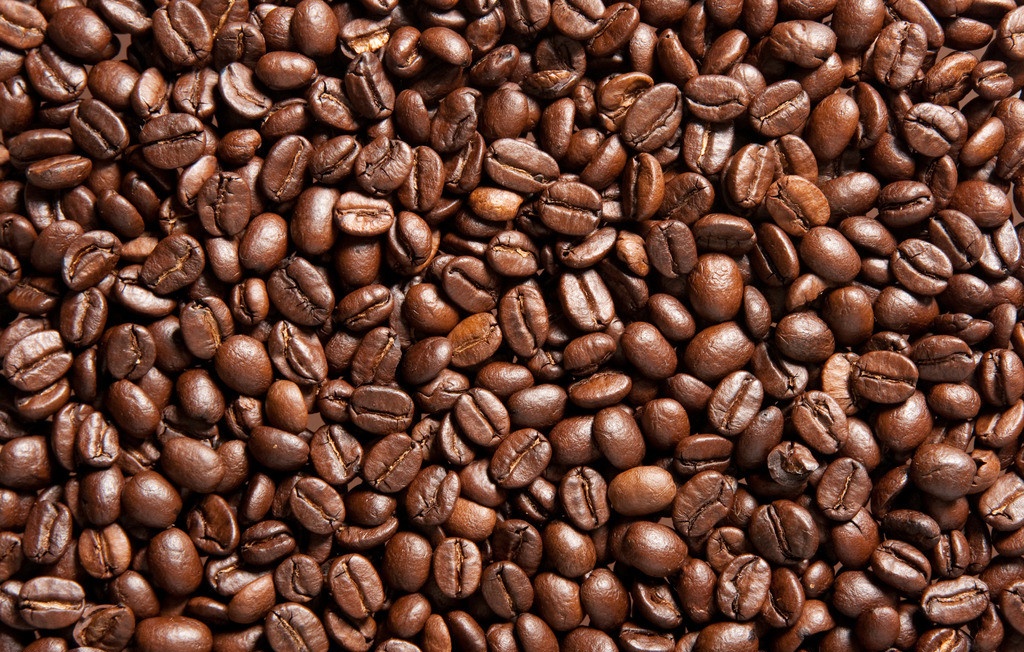
Taste characteristics of Yemeni coffee varieties with unique flavor and complete grain shape introduction to the flavor of fine coffee beans in the manor
Yemeni coffee originated from Arabian coffee trees hundreds of years ago, all produced in areas above 3000 feet above sea level. For hundreds of years, the unique planting and production methods of Yemeni coffee have remained almost unchanged. The seedlings of Yemeni coffee trees are first cultivated in nurseries and then transplanted to high elevations. Pesticides and fertilizers are not used in the breeding process. Mature coffee beans are naturally dried on coffee trees and shelled by stone grinding.